
What Is a Peptide? Structure, Function & Biological Importance Explained
Helix Division · July 13, 2026
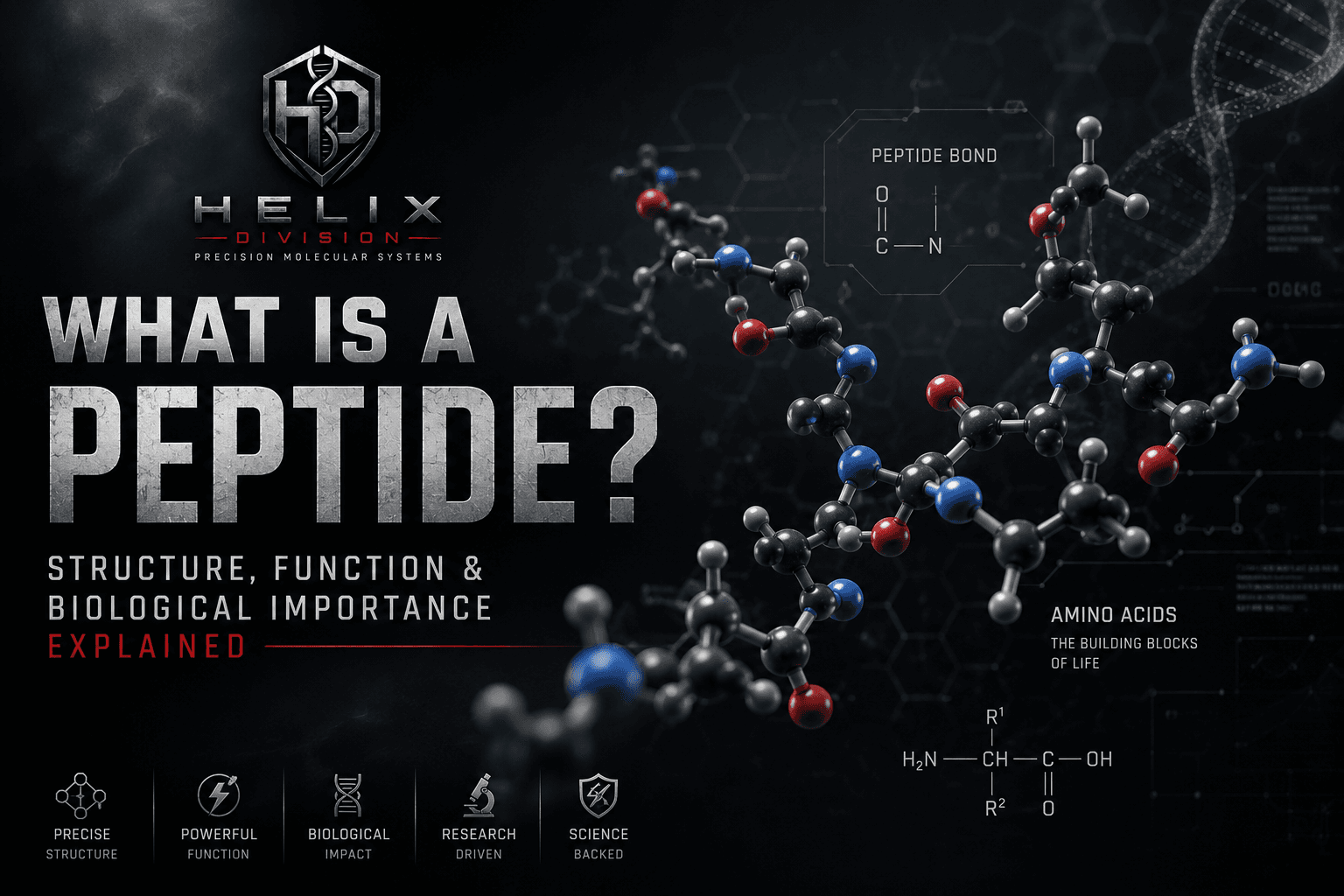
What Is a Peptide?
Introduction
Peptides are among the most important molecules studied in modern biology. They help regulate communication between cells, influence numerous biological processes, and serve as valuable tools for researchers investigating how living systems function.
Although the term "peptide" is frequently encountered in scientific literature, it is often confused with proteins or misunderstood entirely. In reality, peptides occupy a unique position within molecular biology. Their relatively small size and specific biological roles make them particularly valuable for studying cellular signaling, physiology, and biochemical pathways.
This guide explains what peptides are, how they are formed, how they differ from proteins, and why they have become an important focus of biomedical research.
Quick Summary
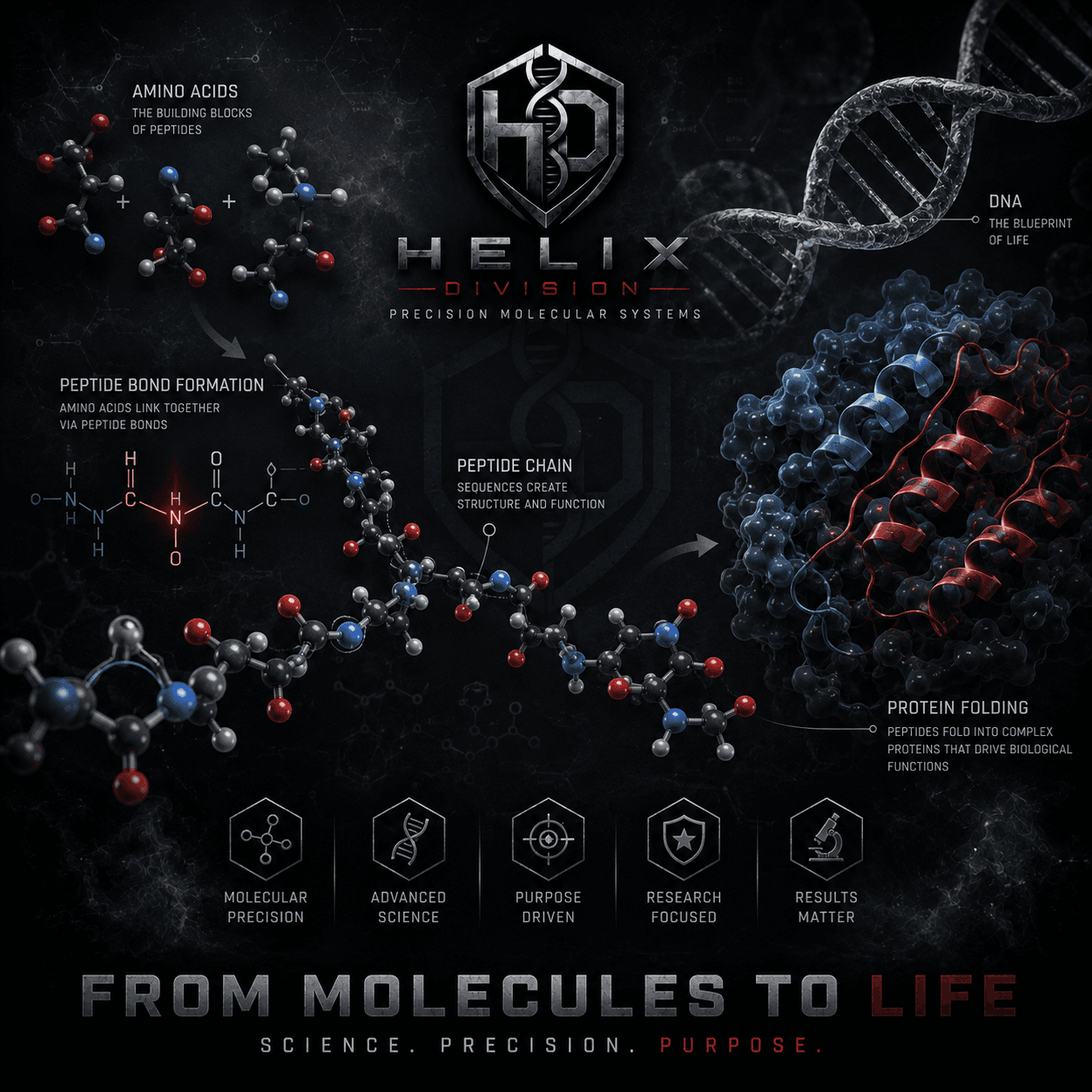
Peptides are short chains of amino acids connected by peptide bonds. They occur naturally throughout living organisms and participate in numerous biological processes, including cellular communication and molecular signaling. Their structure and biological functions have made them an important focus of scientific research.
Table of Contents
-What Is a Peptide?
-How Are Peptides Formed?
-Peptides vs Proteins
-What Do Peptides Do?
-Why Scientists Study Peptides
-Naturally Occurring vs Synthetic Peptides
-Peptides in Biomedical Research
-Frequently Asked Questions
What Is a Peptide?
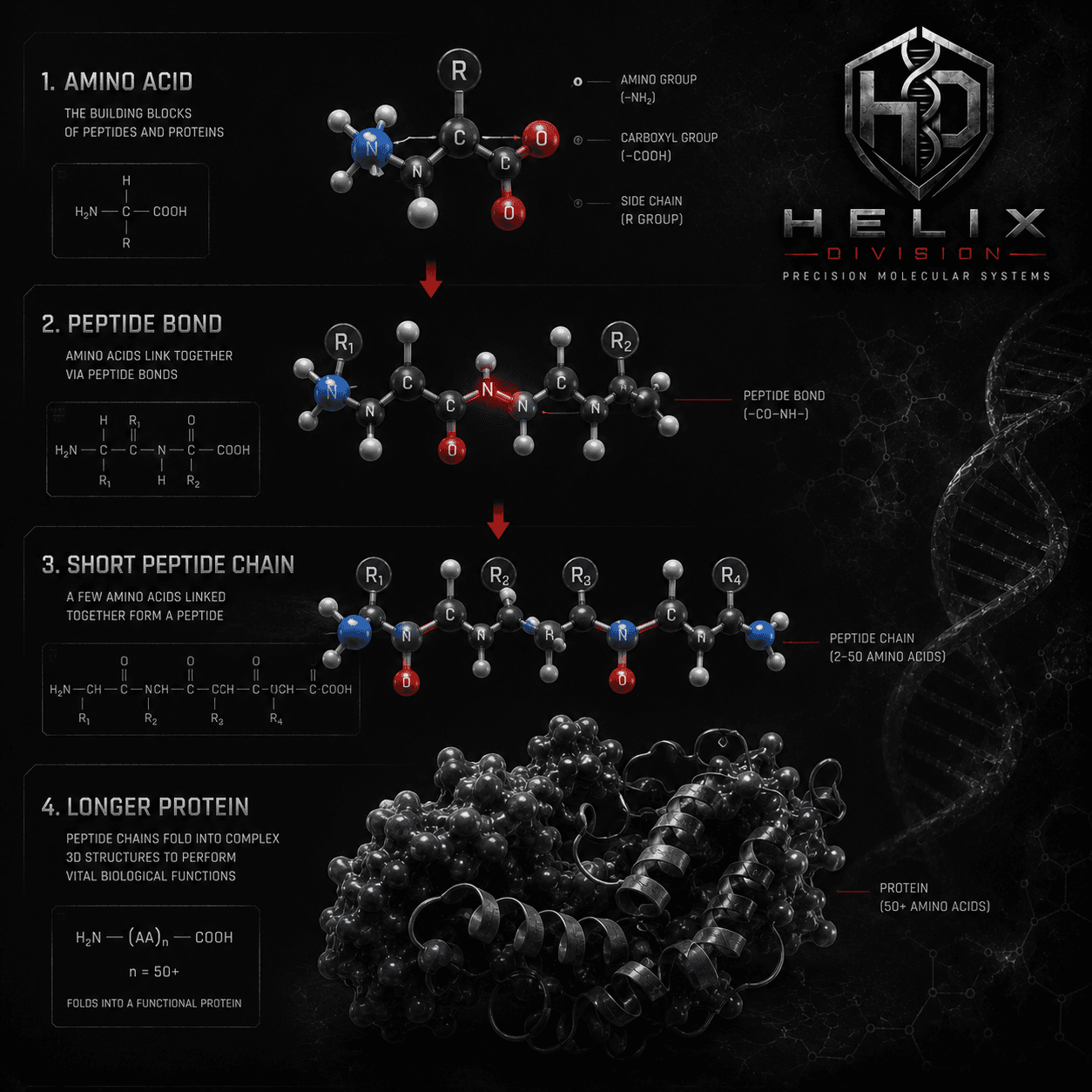
A peptide is a molecule consisting of two or more amino acids joined together by chemical bonds known as peptide bonds.
Amino acids are often described as the building blocks of proteins because they combine in different sequences to form increasingly complex molecular structures.
Peptides occupy the middle ground between individual amino acids and larger proteins. While definitions can vary slightly depending on context, peptides generally contain fewer amino acids than proteins and often perform highly specific biological functions.
How Are Peptides Formed?
Inside living organisms, amino acids are linked together through peptide bonds during protein synthesis.
Each peptide bond forms when the carboxyl group of one amino acid reacts with the amino group of another, creating a stable chemical linkage while releasing a molecule of water.
The order—or sequence—of amino acids determines the peptide's structure and influences its biological properties.
Peptides vs Proteins
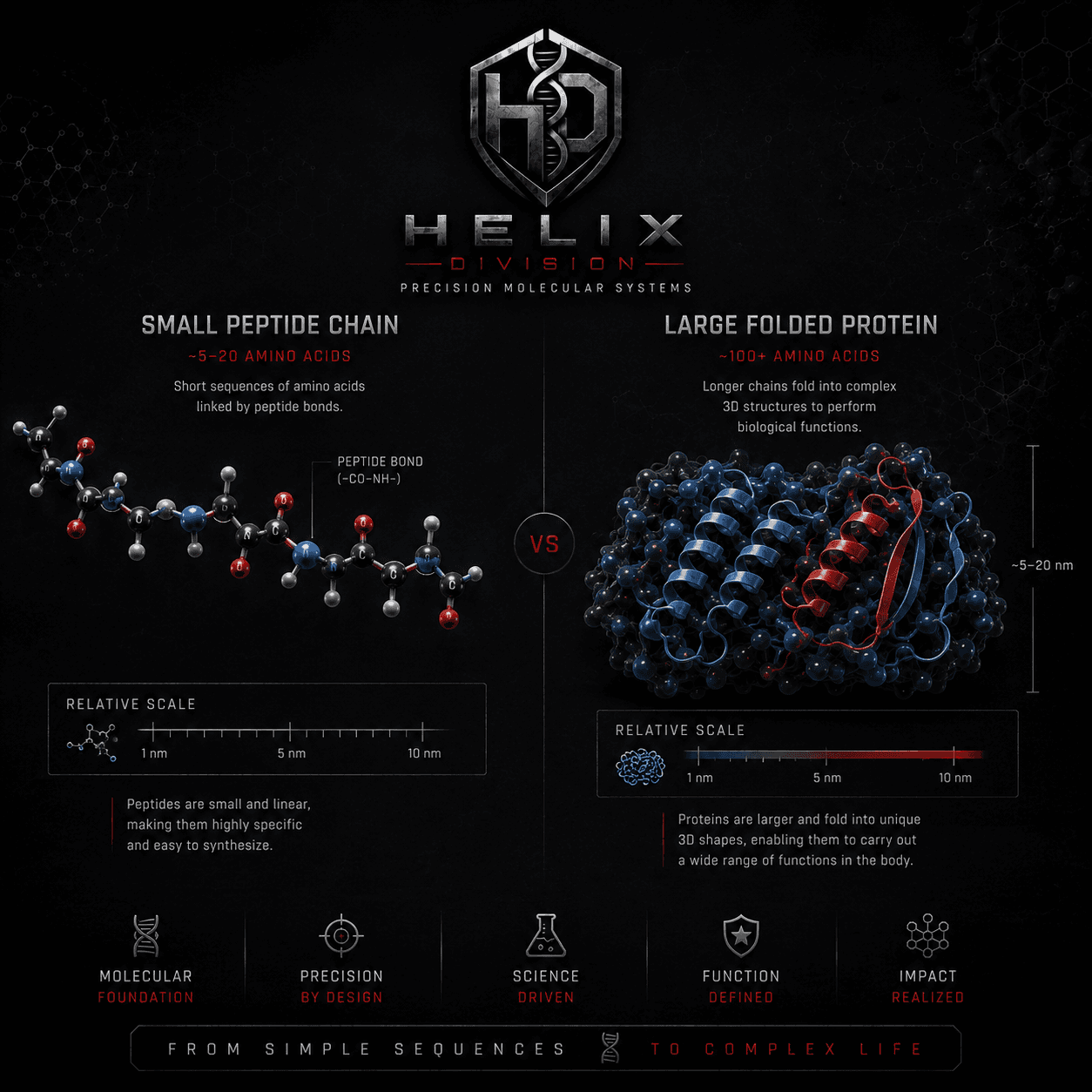
Peptides
-Short amino acid chains
-Often involved in signaling
-Generally smaller molecules
-Frequently studied individually
Proteins
-Longer amino acid chains
-Perform a wide variety of structural and functional roles
-Larger, more complex molecules
-Often composed of multiple structural domains
Rather than viewing peptides and proteins as entirely separate molecules, it is often helpful to think of them as part of a continuum of biological structures.
What Do Peptides Do?
Naturally occurring peptides participate in many biological processes.
Examples include roles in:
-Cellular communication
-Hormonal signaling
-Immune system regulation
-Nervous system function
-Growth and development
-Metabolic regulation
The precise function of any peptide depends on its amino acid sequence, three-dimensional structure, and interactions with biological molecules.
Why Scientists Study Peptides
Peptides are valuable research tools because their relatively small size and well-defined structures allow researchers to investigate specific biological interactions.
Scientists may study peptides to better understand:
-Cell signaling pathways
-Receptor interactions
-Protein binding
-Molecular transport
-Biological regulation
-Disease mechanisms
Research involving peptides contributes to a broader understanding of biology and may help generate hypotheses for future scientific investigation.
Naturally Occurring vs Synthetic Peptides
Many peptides occur naturally in living organisms, where they participate in normal biological processes.
Scientists can also synthesize peptides in laboratory settings for research purposes. Laboratory-produced peptides enable controlled investigations into biological mechanisms and molecular interactions.
Whether naturally occurring or laboratory synthesized, peptides are evaluated according to the goals and design of the research being conducted.
Peptides in Biomedical Research
Peptides have become important tools in biomedical science because they allow researchers to investigate biological systems with a high degree of specificity.
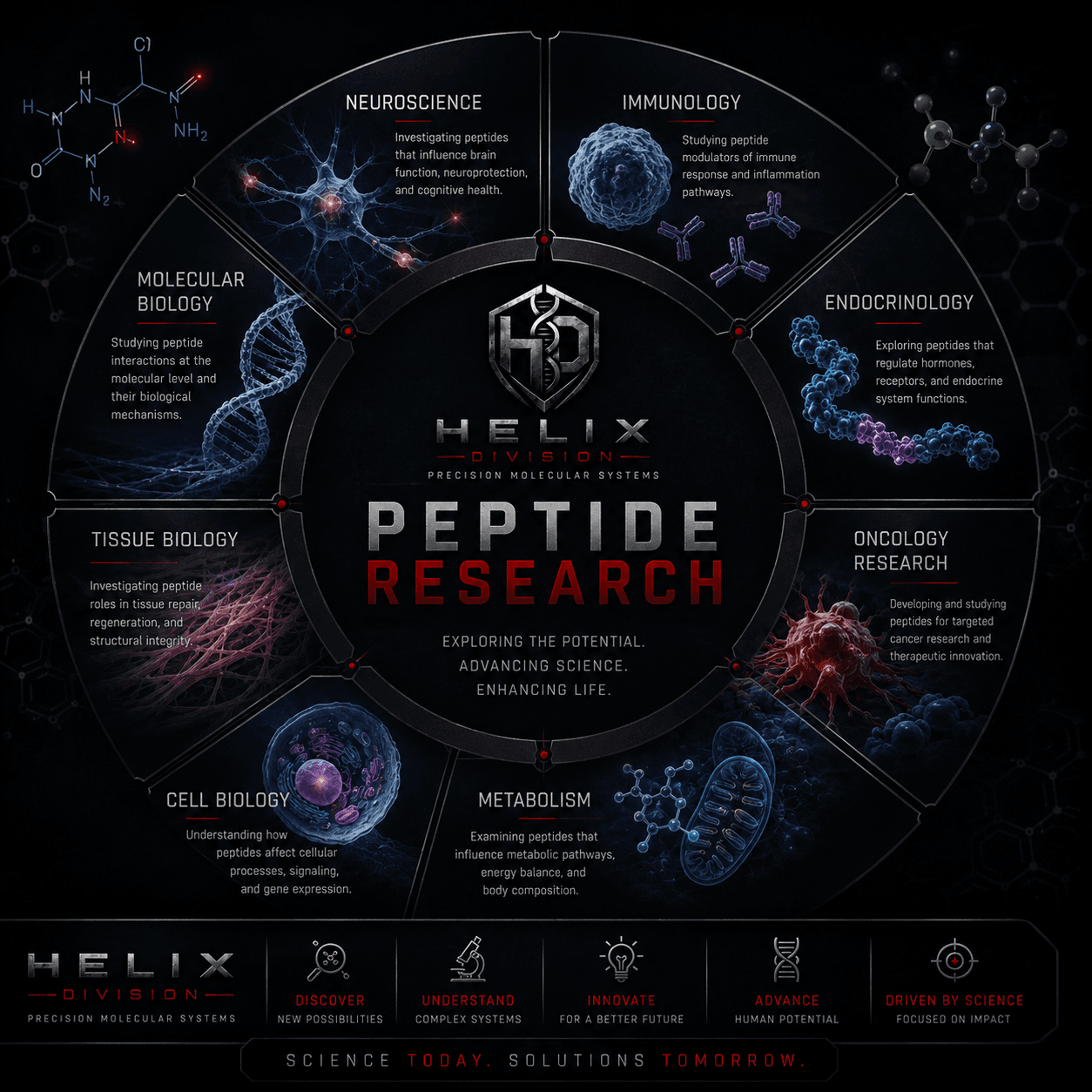
Research involving peptides spans disciplines including:
-Molecular biology
-Neuroscience
-Immunology
-Endocrinology
-Metabolic research
-Cell biology
-Protein chemistry
These investigations continue to expand scientific understanding while emphasizing the importance of careful experimental design and evidence-based interpretation.
Frequently Asked Questions
Are all peptides naturally occurring?
No. Some peptides occur naturally within living organisms, while others are synthesized in laboratories for scientific research.
Why are peptides important in biology?
Peptides participate in numerous biological processes, including cellular communication, signaling, and regulation.
Why are peptides studied?
Researchers investigate peptides to improve understanding of biological mechanisms and molecular interactions across many areas of biomedical science.
Key Takeaways
-Peptides are short chains of amino acids joined by peptide bonds.
-They differ from proteins primarily in size and complexity.
-Many peptides occur naturally and perform important biological functions.
-Laboratory-synthesized peptides support scientific research across numerous disciplines.
-Peptides remain one of the most important molecular tools in modern biomedical research.
Conclusion
Peptides occupy a fundamental place in molecular biology, bridging the gap between individual amino acids and complex proteins. Their diverse biological roles and relatively simple structures have made them indispensable in scientific research, where they continue to advance our understanding of cellular communication, physiology, and biochemical processes.
Whether occurring naturally or synthesized for laboratory investigation, peptides remain central to modern biomedical science and provide valuable insights into the mechanisms that govern living systems.
Disclaimer
This article is provided for educational and informational purposes only. It discusses peptides within the context of molecular biology and laboratory research. It does not constitute medical advice, does not promote investigational compounds for human or animal use, and should not be interpreted as evidence of safety or effectiveness for clinical applications. Products referenced by Helix Division are intended for research use only and are not for human consumption.
Research use only. Content is educational and does not constitute medical advice or a claim of human or animal efficacy or safety. Products referenced are not for human consumption.